

Are workplace injuries putting your business at risk? Accidents can happen anytime, and without proper protection, your business could face significant financial losses.
Workers’ compensation insurance is designed to safeguard your business and support your employees in case of work-related injuries or illnesses.
By having the right worker comp coverage, you not only comply with legal requirements but also foster a safer work environment.
This insurance helps cover medical expenses and lost wages, protecting your business from potential lawsuits and financial strain.
Key Takeaways
- Workers’ compensation insurance protects your business from financial losses due to workplace injuries.
- It supports employees by covering medical expenses and lost wages.
- Having worker comp coverage is often legally required.
- It helps foster a safer work environment.
- Proper coverage can prevent costly lawsuits.
Understanding Workers’ Compensation Insurance Basics
Understanding the fundamentals of workers’ compensation insurance is essential for businesses to ensure they are adequately protected against workplace injuries. This insurance is designed to provide financial assistance to employees who suffer work-related injuries or illnesses, thereby also protecting employers from potential lawsuits.
What Workers’ Comp Coverage Protects Against
Workers’ compensation insurance covers a variety of risks associated with workplace accidents. This includes:
- Medical expenses for treating work-related injuries
- Lost wages and disability benefits for employees unable to work due to their injuries
- Rehabilitation costs to help employees return to work
Medical Expenses Coverage
Medical expenses coverage under workers’ comp insurance includes costs associated with doctor visits, hospital stays, surgeries, and physical therapy. This ensures that employees receive necessary medical treatment without incurring significant out-of-pocket expenses.
Lost Wages and Disability Benefits
Lost wages and disability benefits provide financial support to employees who are unable to work due to a work-related injury or illness. These benefits can help replace a portion of the employee’s lost income, ensuring they can meet their financial obligations during their recovery.
Mutual Protection for Employers and Employees
Workers’ compensation insurance serves as a mutual protection mechanism for both employers and employees. By covering medical expenses and lost wages, it helps employees recover from work-related injuries. Simultaneously, it protects employers from potential lawsuits by providing a no-fault system, thereby promoting a more stable and secure work environment.
Legal Requirements for Workers’ Comp Insurance by State
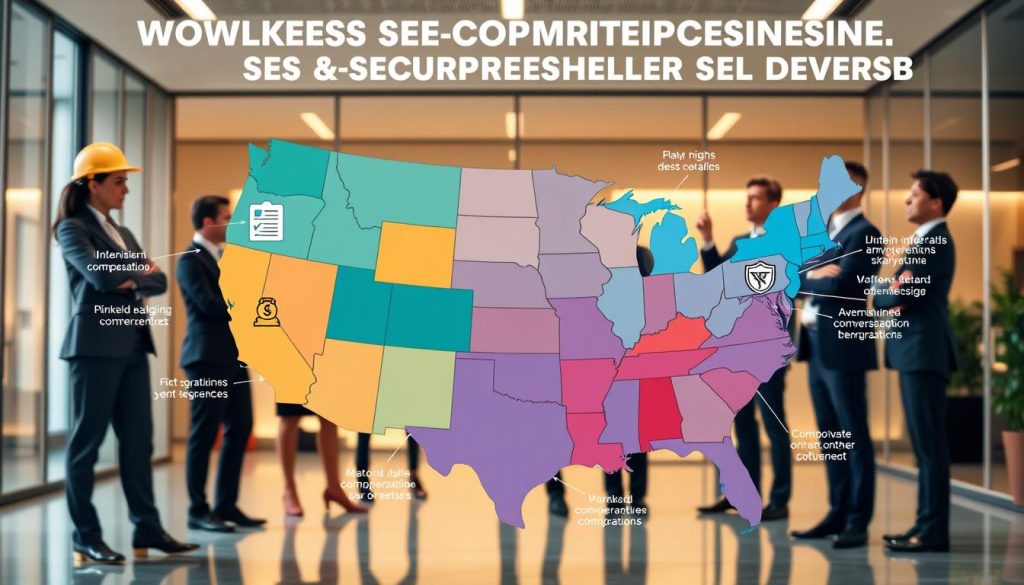
Workers’ compensation insurance laws vary significantly from state to state, making compliance a complex task. Businesses operating in multiple states must navigate a diverse landscape of regulations and requirements.
State-Specific Regulations and Thresholds
Each state has its own regulations regarding occupational accident insurance, including the number of employees that triggers the requirement for employee injury coverage. For instance, some states require businesses with as few as two employees to have workers’ compensation insurance, while others have a higher threshold. It’s essential for businesses to understand these state-specific regulations to ensure compliance.
Consequences of Operating Without Required Coverage
Operating without the required workers’ compensation insurance can have severe consequences, including hefty fines and legal penalties. In some cases, business owners may even face criminal charges. Moreover, without employee injury coverage, businesses may be liable for damages and medical expenses, which can be financially devastating.
How to Assess Your Business’s Workers’ Compensation Insurance Needs
Determining the right workers’ compensation insurance coverage for your business involves several key considerations. As emphasized by industry experts, “Understanding your workers’ compensation insurance needs is not just about compliance; it’s about protecting your business and employees.” This assessment is crucial for safeguarding your business against potential risks and financial losses.
Evaluating Industry-Specific Risks
Different industries face unique risks that can impact your workers’ compensation insurance needs. For instance, a construction company may require more extensive coverage compared to a software development firm due to the higher risk of workplace injuries. Industry-specific risks should be a primary factor in determining your coverage levels.
Determining Appropriate Coverage Levels
To determine the appropriate coverage level, you must consider the size of your workforce, the nature of your business, and the potential risks involved. Adequate coverage ensures that you’re prepared for any unforeseen circumstances. It’s also essential to comply with state regulations regarding workers’ compensation insurance.
Employee Classification Considerations
Correctly classifying your employees is vital for accurate workers’ compensation insurance premiums. Misclassification can lead to overpayment or underpayment of premiums. Ensure that each employee is classified according to their job role and industry standards.
Special Coverage Situations
Some businesses may require special coverage situations, such as coverage for contract workers or volunteers. Understanding these special situations can help ensure that you’re fully compliant with regulations and adequately protected against potential risks.
Step-by-Step Guide to Obtaining Workers’ Compensation Insurance
Acquiring workers’ compensation insurance involves several key steps that can safeguard your business against job-related injury claims. This insurance is crucial for protecting both your employees and your business’s financial stability.
Researching and Comparing Insurance Providers
The first step in obtaining workers’ compensation insurance is to research and compare different insurance providers. Look for insurers that specialize in workers’ compensation insurance and have a good reputation in your industry. You can:
- Check online reviews and ratings
- Ask for referrals from other business owners
- Consult with an insurance broker who understands your business needs
Comparing quotes from multiple providers will help you find the best coverage at a competitive price.

Application Process and Required Documentation
Once you’ve selected an insurance provider, you’ll need to go through the application process. This typically involves:
- Filling out an application form that details your business operations and employee information
- Providing financial documents, such as payroll records
- Submitting information about your business’s safety record and any previous claims
The insurer will use this information to assess your risk level and determine your premium. Ensuring you have all necessary documentation ready can streamline the process and help you secure a job-related injury policy that fits your business needs.
Factors That Influence Your Workers’ Comp Insurance Costs
Understanding the factors that influence your workers’ comp insurance costs is crucial for managing your business expenses effectively. Workers’ compensation insurance premiums are not one-size-fits-all; they are tailored to the specific risks and characteristics of your business.
Understanding Experience Modification Ratings
One significant factor that affects your workers’ comp insurance costs is your Experience Modification Rating (EMR). The EMR is a numerical representation of your company’s safety record compared to other businesses in the same industry. A lower EMR indicates a better safety record and can lead to lower insurance premiums. To achieve a favorable EMR, businesses should focus on maintaining a safe work environment and minimizing workplace injuries.
- Implement robust safety protocols to reduce accidents.
- Provide regular training to employees on safety procedures.
- Promptly report and manage workers’ compensation claims.
How Payroll and Job Classifications Affect Premiums
Your business’s payroll and job classifications also play a crucial role in determining your workers’ comp insurance premiums. Insurers use payroll data to calculate premiums, with higher payrolls typically resulting in higher premiums. Job classifications are another critical factor, as different jobs have varying levels of risk associated with them. Businesses with employees in higher-risk classifications will generally face higher insurance costs.
Key considerations include:
- Accurate classification of employees to ensure correct premium calculation.
- Managing payroll costs to minimize premium increases.
By understanding and managing these factors, businesses can better control their workers’ comp insurance costs and maintain a more predictable expense structure.
Strategies for Reducing Your Workers’ Compensation Premiums
Reducing workers’ comp premiums isn’t just about saving money; it’s about creating a safer, more productive work environment. By implementing effective safety programs and return-to-work initiatives, businesses can minimize workplace injuries and lower their insurance costs.
Implementing Effective Safety Programs
A well-structured safety program is crucial for preventing workplace accidents. This involves identifying potential hazards and taking proactive measures to mitigate risks. Effective safety programs not only reduce the likelihood of injuries but also contribute to a healthier, more productive workforce.
Employee Training Best Practices
Regular employee training is a cornerstone of any effective safety program. By educating employees on safe work practices and emergency procedures, businesses can significantly reduce the risk of accidents. Training should be ongoing and tailored to the specific needs of the workplace.
Safety Committee Formation
Establishing a safety committee can further enhance workplace safety. This committee should comprise representatives from various departments and be responsible for monitoring safety practices, conducting regular inspections, and addressing employee concerns.
Developing Return-to-Work Programs
A well-designed return-to-work program can help reduce the duration and cost of workers’ compensation claims. By providing modified duties or temporary assignments, businesses can facilitate a smoother transition for employees returning from injury, thereby minimizing the financial impact on the company.
As emphasized by industry experts, “A proactive approach to workplace safety and return-to-work strategies can significantly lower workers’ compensation premiums.” By focusing on prevention and supporting injured employees, businesses can achieve substantial cost savings while fostering a safer work environment.

Managing the Workers’ Compensation Claims Process
Effective management of workers’ compensation claims is crucial for businesses to maintain a safe and healthy work environment. This process not only ensures compliance with state regulations but also supports injured employees in their recovery.
Steps to Take When an Employee Is Injured
When an employee is injured, it’s essential to take immediate action. The following steps should be taken:
- Provide first aid and medical attention if necessary.
- Document the incident thoroughly, including witness statements and photographs.
- Notify the insurance provider promptly to initiate the claims process.
Ensuring that these steps are followed helps facilitate a smooth claims process and supports the employee’s return to work.
Navigating the Claims Investigation and Resolution
The claims investigation process involves assessing the validity of the claim and determining the extent of the injury. To navigate this process effectively:
- Cooperate fully with the insurance adjuster and provide required documentation.
- Keep detailed records of all communications and transactions related to the claim.
- Work with the insurance provider to resolve the claim efficiently.
By understanding and managing the workers’ compensation claims process, businesses can minimize disruptions and ensure that injured employees receive the support they need.
Conclusion
Securing the right workmans comp insurance is crucial for protecting your business and employees from the financial impact of job-related injuries. A job-related injury policy not only helps in complying with state regulations but also provides mutual protection for employers and employees.
By understanding the basics of workers’ compensation insurance, assessing your business’s needs, and implementing strategies to reduce premiums, you can effectively manage your workers’ compensation insurance. This includes evaluating industry-specific risks, determining appropriate coverage levels, and developing return-to-work programs.
Business owners who proactively manage their workers’ compensation insurance can minimize risks and ensure a safer work environment. Take the necessary steps to secure the right coverage and protect your business from the unforeseen consequences of workplace injuries.
FAQ
What is workers’ compensation insurance, and why do I need it?
Workers’ compensation insurance provides financial protection to employees who are injured on the job or become ill due to their job. It also protects employers from lawsuits related to workplace injuries. You need it to comply with state laws and to safeguard your business from potential financial losses.
How do I determine the right amount of workers’ comp coverage for my business?
To determine the right amount of coverage, you need to evaluate your industry-specific risks, the number of employees, and their job classifications. You should also consider the potential costs associated with medical expenses and lost wages. Consulting with an insurance professional can help you assess your needs and choose the appropriate coverage levels.
What factors influence my workers’ compensation insurance premiums?
Several factors can influence your premiums, including your business’s experience modification rating, payroll, job classifications, and the number of claims filed. Implementing effective safety programs and return-to-work initiatives can help reduce your premiums.
How can I reduce my workers’ compensation insurance costs?
You can reduce your costs by implementing effective safety programs, providing employee training, forming safety committees, and developing return-to-work programs. These strategies can help minimize workplace injuries and reduce the number of claims filed, ultimately lowering your premiums.
What happens if I don’t have workers’ compensation insurance and an employee is injured?
If you don’t have workers’ compensation insurance and an employee is injured, you may be liable for medical expenses, lost wages, and other costs associated with the injury. You may also face fines, penalties, and potential lawsuits, which can put your business at significant financial risk.
How do I file a workers’ compensation claim, and what documentation is required?
To file a claim, you should notify your insurance provider promptly after an employee is injured. You’ll need to provide documentation, such as the employee’s injury report, medical records, and proof of lost wages. Your insurance provider will guide you through the claims process and help you navigate the required documentation.
Can I customize my workers’ compensation insurance policy to fit my business needs?
Yes, you can customize your policy to fit your business needs. You can work with your insurance provider to tailor your coverage levels, deductibles, and other policy features to suit your industry, business size, and specific risks.